


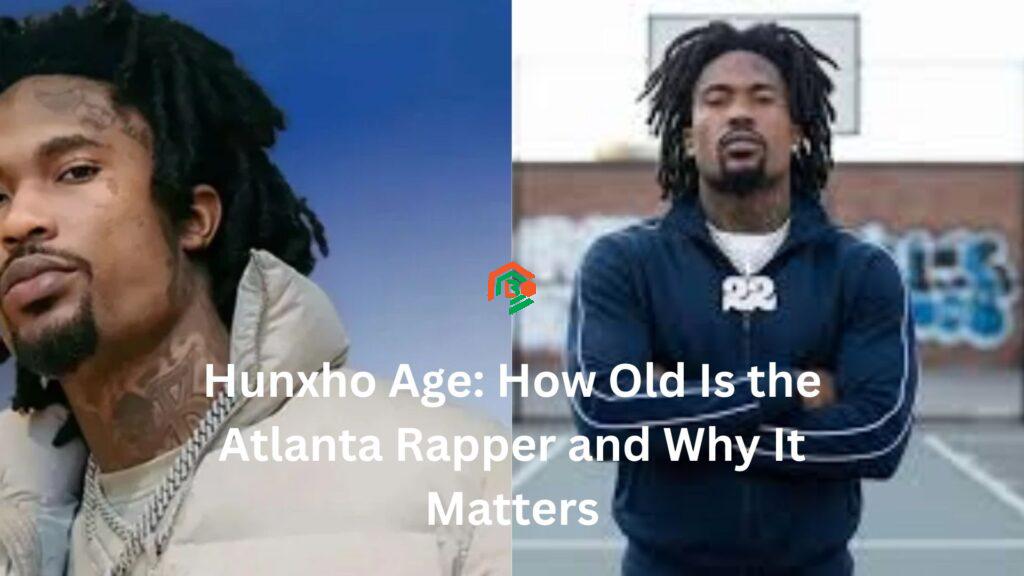
There’s something about knowing an artist’s age that changes how you hear their music. It adds context. It sharpens the edges of their story. With Hunxho, that curiosity hits pretty quickly—because the way he raps feels both young and oddly seasoned at the same time.
So, how old is Hunxho?
Hunxho was born on June 20, 1999. That puts him in his mid-20s right now. And honestly, that detail alone explains a lot about his sound, his hunger, and the way he moves.
A Young Voice With Lived Experience
Mid-20s doesn’t sound old. It isn’t. But it’s not early-teen raw either. It’s that in-between phase where someone has seen enough to have stories—but still has something to prove.
That’s exactly where Hunxho sits.
You hear it in his music. There’s a reflective tone in tracks where he talks about loyalty, struggle, and relationships. It doesn’t come off like someone guessing what pain sounds like. It feels like someone who’s been close to it, even if he’s still figuring things out.
Think about it like this: a 19-year-old rapper might lean heavily into energy—fast beats, aggressive delivery, more vibe than substance. A 30-year-old might lean into polish and perspective. Hunxho lands right in the middle. He’s got urgency, but also enough clarity to slow down and say something real.
That balance is part of why people connect with him.
Growing Up in Atlanta Shapes More Than Age
Age alone doesn’t tell the full story. Where you grow up matters just as much.
Hunxho is from Atlanta, a city that’s been shaping rap culture for decades. That environment tends to fast-track growth. You’re exposed to music, hustle, competition, and opportunity all at once.
So when you hear that he’s in his mid-20s, it doesn’t quite hit the same as it would for someone from a quieter background. In Atlanta, artists often develop quickly. They’re around studios early. They see success and failure up close. They learn what works—and what doesn’t—faster than most.
That kind of environment compresses experience. It’s why someone like Hunxho can sound older than he is without losing that youthful edge.
Why Fans Care About Hunxho’s Age
Let’s be honest—fans don’t ask about age just for trivia.
They’re trying to place the artist. They want to understand where he fits in the bigger picture. Is he part of the new wave? Is he already established? Is he someone still figuring it out?
With Hunxho, his age puts him in an interesting spot. He’s not a teenager breaking out on TikTok. He’s also not a veteran who’s been around for a decade. He’s in that phase where momentum matters most.
And you can feel it.
There’s a certain pressure that comes with being in your mid-20s as an artist. It’s the “this is my window” stage. The time when consistency, visibility, and growth all need to line up.
Fans pick up on that energy. It makes the music feel more urgent.
The Mid-20s Hustle Is Real
If you’ve ever been in your mid-20s chasing something—music, business, anything—you’ll recognize the mindset.
It’s that feeling of being close, but not quite there yet.
Hunxho’s music taps into that. There’s ambition, but also reflection. Confidence, but not arrogance. He’s still building, still proving, still pushing.
Picture someone working late, checking their phone for updates, thinking, “I know I’m getting closer.” That’s the kind of energy that runs through a lot of his tracks.
It’s relatable, even if you’re not in the music industry.
Age and Authenticity in His Sound
One thing that stands out with Hunxho is how natural his delivery feels. It’s not overly polished. It’s not trying too hard to sound like something else.
That often comes from artists who are young enough to still be raw, but old enough to trust their own voice.
At 25 or 26, you’re usually past the phase of copying everything around you. You start settling into what actually feels right. That’s when authenticity kicks in.
And authenticity is what keeps listeners coming back.
There’s a difference between hearing a song and believing it. Hunxho leans toward the latter.
Comparing Hunxho to His Peers
When you look at other rappers in a similar age range, you start to see where Hunxho fits.
Some artists his age are heavily focused on trends—chasing viral moments, leaning into whatever’s hot that week. Others are already refining a long-term identity.
Hunxho feels like he’s closer to the second group.
He’s not disconnected from trends, but he doesn’t sound controlled by them either. That’s a subtle difference, but it matters.
It suggests longevity.
Artists who figure out their voice in their mid-20s often have a better chance of evolving instead of fading out. They’re not just reacting to the moment—they’re building something.
The Role of Life Experience
Age is just a number, sure—but life experience is what fills it in.
And from the way Hunxho writes and delivers his music, it’s clear he’s had enough real-life moments to draw from.
You hear themes of trust, loyalty, relationships, and personal struggles. These aren’t surface-level ideas. They come with nuance. Sometimes even contradiction.
That’s usually a sign of someone who’s been through enough to know things aren’t black and white.
A younger artist might frame everything as wins and losses. Hunxho’s music often sits in the gray area. That’s where real stories live.
Why His Age Works in His Favor
Being in your mid-20s as an artist can actually be a sweet spot.
You’ve got the energy to stay consistent. The time to improve. And just enough experience to have something meaningful to say.
Hunxho benefits from all three.
He can still experiment without it feeling like a misstep. He can drop frequently without burning out too quickly. And he can connect with both younger listeners and people a bit older.
That range matters. It widens his audience.
A 19-year-old might see him as someone slightly ahead, someone to look up to. A 30-year-old might see him as someone who still gets it, someone who hasn’t lost touch.
That kind of cross-generational appeal isn’t easy to pull off.
The Pressure of Timing
Here’s the thing about being Hunxho’s age in the music industry—timing becomes everything.
The industry moves fast. Trends shift quickly. Attention spans are short.
So when you’re in your mid-20s and gaining traction, there’s an unspoken clock ticking. Not in a negative way, but in a motivating way.
It’s like being in the middle of a race where you can finally see the finish line—but you still have to push hard to get there.
Hunxho seems to understand that.
His output, his consistency, and his presence all suggest someone who knows this is a critical phase. Not the beginning. Not the end. The middle where things either take off—or stall.
How His Age Connects With Fans Emotionally
A big part of Hunxho’s appeal is emotional connection.
And his age plays into that more than people realize.
Listeners in their early 20s hear someone going through similar phases—figuring out relationships, chasing goals, dealing with setbacks. It feels close to home.
Even listeners a bit older can relate to that stage of life. It’s recent enough to remember clearly.
That shared experience builds a stronger connection than just catchy music ever could.
It’s the difference between liking a song and feeling like it understands you.
What to Expect as He Gets Older
If Hunxho is already making this kind of impact in his mid-20s, the next few years will be interesting.
Artists tend to evolve in noticeable ways as they move into their late 20s and early 30s. The themes shift. The delivery tightens. The perspective deepens.
For Hunxho, that could mean even more layered storytelling. More refined production choices. Maybe even a broader sound.
Or he could double down on what’s already working. That’s always a possibility too.
Either way, his current age suggests he’s still in a growth phase—not a finished product.
And for fans, that’s actually exciting.
The Takeaway
Hunxho being born in 1999—and sitting in his mid-20s today—might seem like a small detail. But it explains a lot.
It explains the balance in his music. The mix of hunger and reflection. The sense that he’s still building, but already has something real to say.
He’s young, but not new to life. Experienced, but not settled.
That tension is where good music often comes from.
And if he continues to grow at the pace he’s on now, his age won’t just be a fact people look up—it’ll be part of the story people remember.
